
Flexibility Wins: Adapting to Last-Minute Bookings and Changing Guest Expectations in Serviced Apartments
The short-term rental landscape has fundamentally shifted. Gone are the days when guests booked their holidays months in advance with rigid cancellation policies. Today's Airbnb guests expect flexibility, and they're willing to pay premium rates for properties that can accommodate their spontaneous travel plans and last-minute changes.
For landlords considering the transition from traditional long-term lets to short-term rentals, understanding this shift toward flexibility isn't just helpful—it's essential for success. The properties that thrive in today's market are those that can pivot quickly, accommodate unexpected requests, and turn last-minute availability into profitable bookings.
The New Reality: Spontaneous Booking Behavior
Modern travelers book differently than they did even five years ago. The rise of remote work, flexible schedules, and "revenge travel" has created a new breed of spontaneous bookers who often decide on their destination just days or weeks before traveling.
Research shows that last-minute bookings (defined as reservations made within 14 days of arrival) now represent nearly 40% of all short-term rental bookings. These guests typically fall into several categories: remote workers seeking a change of scenery, travelers capitalizing on sudden work breaks, or guests whose original plans fell through.
What makes this particularly relevant for landlords is that last-minute bookers often pay higher rates. They're less price-sensitive because they value convenience and availability over finding the absolute cheapest option. This presents a significant revenue opportunity for properties that can capture this demand effectively.

Why Traditional Landlords Struggle with Flexibility
The mindset shift from traditional renting to short-term lets can be challenging. Traditional landlords are accustomed to stable, predictable income streams with tenants who sign year-long leases and rarely need immediate attention. Short-term rentals operate on an entirely different rhythm.
In the Airbnb world, your property needs to be guest-ready at a moment's notice. Last-minute bookings often come with urgent questions, special requests, or arrive outside standard check-in times. Guests expect immediate responses to their messages, seamless check-in experiences, and properties that look exactly like the photos they saw online.
Many landlords underestimate the operational complexity of managing these expectations while trying to maximize occupancy and revenue. They might miss last-minute booking opportunities because they're not monitoring multiple platforms 24/7, or they might accept bookings they can't properly service, leading to poor reviews and damaged reputation.
The Technology Challenge: Being Everywhere at Once
Successful short-term rental properties don't just list on Airbnb. They maintain active presence across multiple platforms—Airbnb, Booking.com, VRBO, and specialized last-minute booking sites. Each platform has different booking patterns, guest expectations, and fee structures.
Managing availability across all these channels while avoiding double bookings requires sophisticated channel management software. When a last-minute booking comes through on one platform, availability must be instantly updated everywhere else. This level of coordination is beyond what most individual landlords can manage effectively while maintaining their day jobs.
The most successful properties also leverage automated messaging systems that can respond to guest inquiries within minutes, even outside business hours. Last-minute bookers often contact multiple properties simultaneously, and the first to respond usually gets the booking.
Pricing Strategy: The Last-Minute Premium
One of the biggest mistakes new short-term rental operators make is underpricing their last-minute availability. The assumption that empty nights should be filled at any price is fundamentally flawed. Last-minute bookers often have limited options and are willing to pay premium rates for quality accommodations.
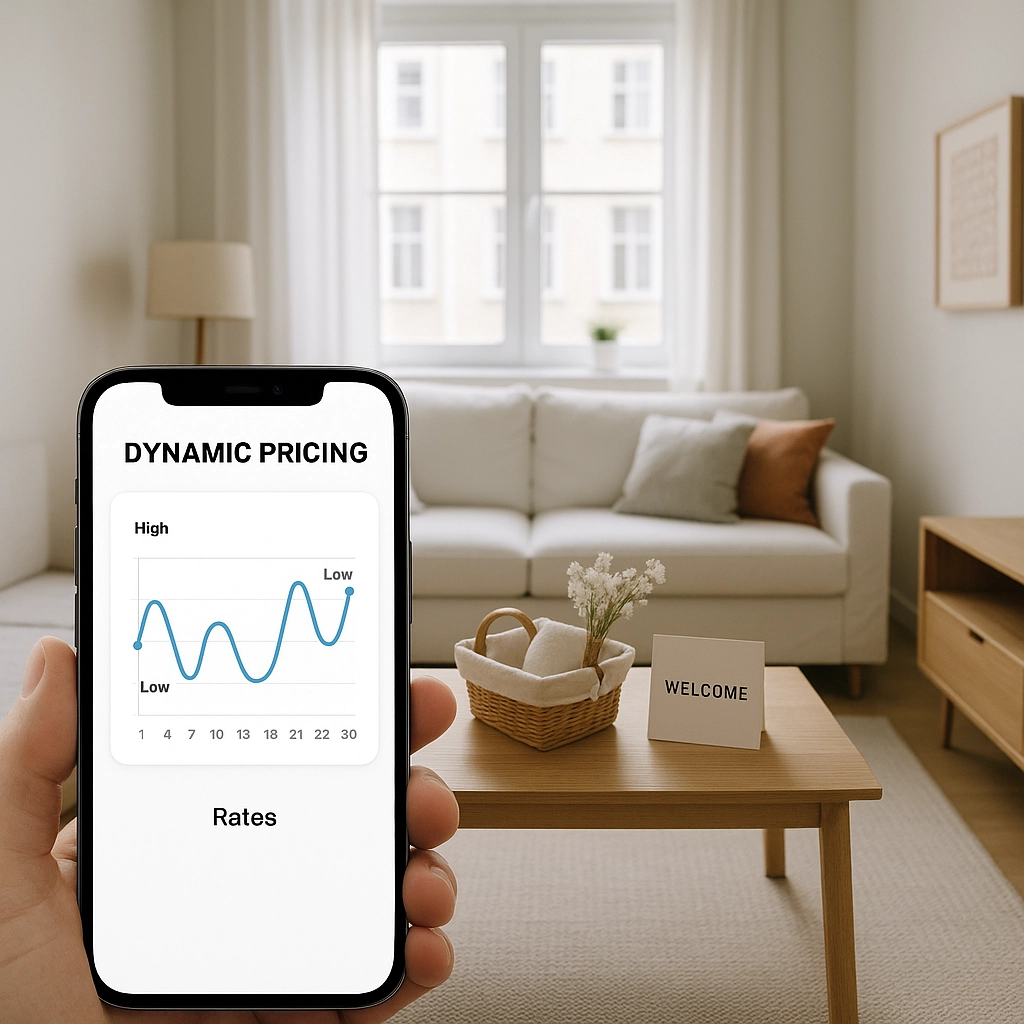
Dynamic pricing strategies adjust rates based on local events, seasonal demand, competitor pricing, and booking lead times. Properties that implement these strategies properly often see 15-25% higher revenue than those using static pricing. However, this requires constant market monitoring and pricing adjustments that most individual landlords find overwhelming.
The key is understanding your local market's booking patterns. Business districts might see more last-minute weekday bookings, while leisure destinations capture weekend spontaneous travelers. Properties near airports often benefit from delayed flights and missed connections, while those near universities see spikes during parent weekends and graduation periods.
Operational Excellence: The Service Standard That Matters
Last-minute guests have heightened expectations because they're often booking under stress or time pressure. They need everything to work perfectly because they don't have time to deal with problems. This means properties must maintain consistently high cleanliness standards, reliable wifi, clear check-in instructions, and responsive communication.
The cleaning challenge alone is significant. Traditional rental properties might be cleaned between tenants, but short-term rentals need professional-grade cleaning after every single guest. Cleaning teams must be available with short notice, and backup plans are essential for when primary cleaners are unavailable.
Guest communication becomes crucial in managing expectations. Last-minute bookers need immediate confirmations, clear directions, and proactive updates about any potential issues. They're more likely to leave negative reviews if small problems aren't handled quickly and professionally.
The Revenue Opportunity: Why Flexibility Pays
Properties that successfully capture last-minute demand consistently outperform those focused solely on advance bookings. The revenue benefits come from multiple sources: premium pricing for last-minute availability, higher occupancy rates from filling calendar gaps, and repeat bookings from guests who appreciate flexible policies.
Many successful properties offer graduated cancellation policies that become more restrictive closer to the arrival date, balancing flexibility with revenue protection. They might allow free cancellation up to 48 hours before arrival, creating confidence for spontaneous bookers while maintaining reasonable protection against last-minute losses.
The ability to extend stays also generates significant additional revenue. Business travelers whose meetings run longer or leisure guests who fall in love with the location often want to extend their stay. Properties that can accommodate these requests seamlessly often see 20-30% higher average booking values.
Making the Transition: Why Professional Management Makes Sense
The complexity of successfully managing flexible booking policies while maximizing revenue explains why many landlords turn to professional Airbnb management companies. The operational demands of monitoring multiple booking platforms, implementing dynamic pricing, coordinating cleaning teams, and managing guest communications require dedicated attention and specialized expertise.
Professional management companies bring several critical advantages to this challenge. They have established relationships with reliable cleaning teams who can work on short notice. They use sophisticated software to manage multi-platform listings and prevent double bookings. Their experience with local market patterns enables them to optimize pricing strategies for maximum revenue.
Perhaps most importantly, they handle the guest communication burden that can overwhelm individual landlords. When a last-minute booking comes through at 11 PM on a Sunday, professional managers have systems in place to provide immediate confirmation and support, ensuring the guest experience starts positively.

The short-term rental market rewards flexibility, but achieving that flexibility requires operational sophistication that goes far beyond simply listing a property online. For landlords considering this transition, understanding the true scope of what's required—and having the right management partner—makes the difference between success and frustration.
The properties winning in today's flexible booking environment aren't just accommodating last-minute requests; they're strategically positioning themselves to capture this premium-paying segment while maintaining the operational excellence that generates positive reviews and repeat bookings. In a market where flexibility wins, professional management isn't just helpful—it's essential for maximizing the opportunity.
